My background is in Applied Linguistics, speech science, education, and research. For years, I was studying how people learn, where they struggle, and why the same approach can work well for one person and not another.
What stayed with me most was the process of looking closely at a problem. Watching what people actually do. Asking why something is difficult. Testing an assumption instead of taking it for granted.
Eventually, I realised I wanted to do more than understand those problems. I wanted to make things that responded to them.
That is what pulled me toward product design.
Now, I tend to move naturally between research and making. I like talking to people, looking at behaviour, finding the pattern underneath the noise, and then turning that into something tangible, a flow, a prototype, a working product. Once it is in people’s hands, I want to see what happens and keep refining it.
My research background still shapes the way I design. I rarely see a problem as purely visual. I think about behaviour, context, communication, cognitive effort, and the small decisions a product asks people to make.
I’m also interested in what happens when new technology enters that relationship. AI can make products more powerful, but it also raises more interesting design questions: when should the system help, when should it stay out of the way, and how much control should remain with the person using it?
I value working with people who think differently from me. Different disciplines, backgrounds, and ways of processing the world often expose assumptions that would otherwise go unnoticed. That is one reason multidisciplinary work and neurodiversity matter to the way I think about design.
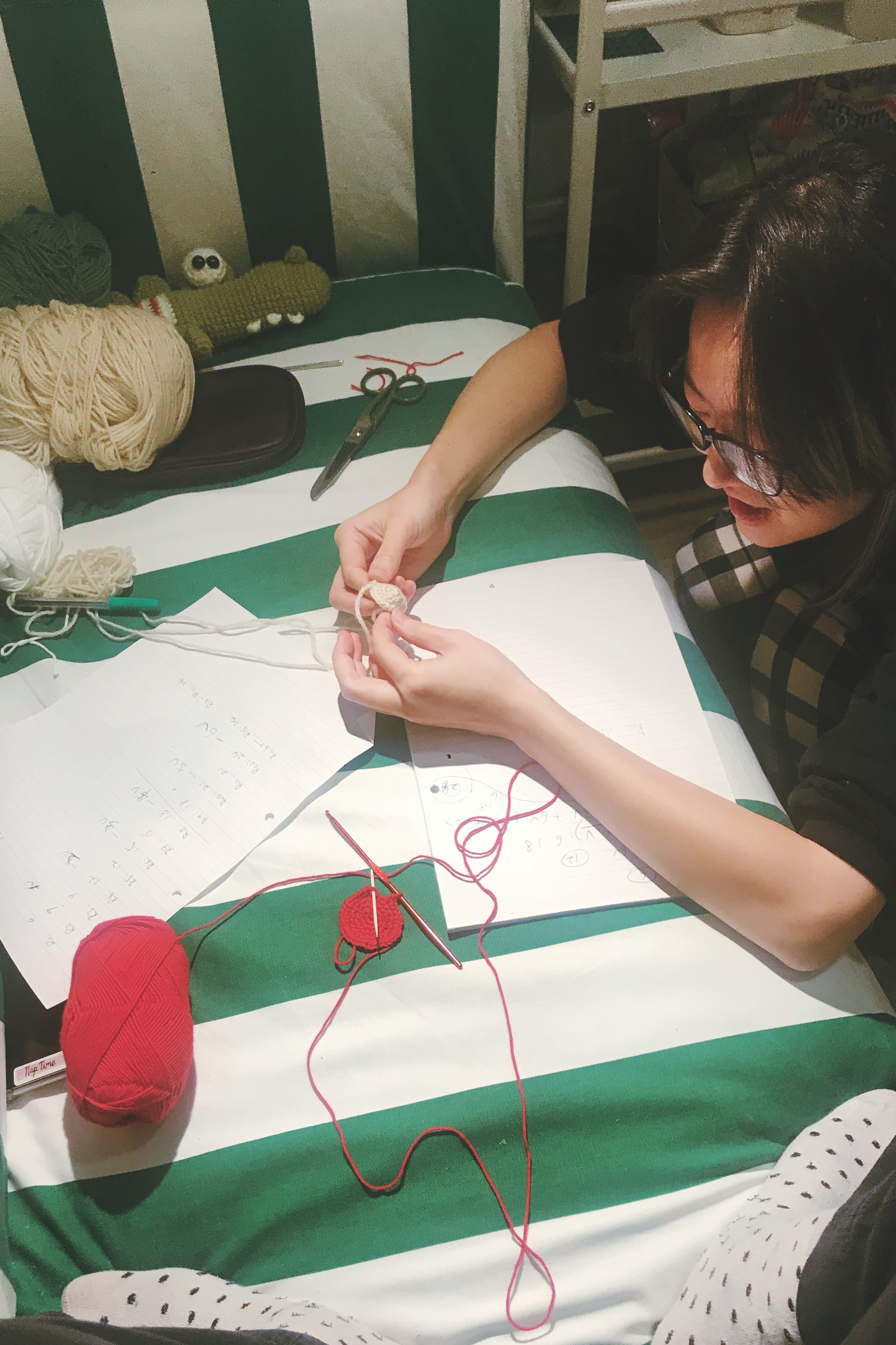
And I’m very much a maker. I like sketching, prototyping, building with code, working with my hands, and yes, building things with LEGO. Making something tangible helps me think.
For me, design is a way of working through uncertainty: understand the problem, make something, learn from what happens, and improve it.




|